Barcelona Spiritual Retreat Travel Tips: A Practical Guide
Embarking on a spiritual retreat in Barcelona offers a unique opportunity to combine inner reflection with the vibrant energy of a historic Mediterranean city. To ensure your journey is as smooth and enriching as possible, thoughtful preparation is key. This guide provides essential travel tips, focusing on practicalities from arrival to navigating local customs, allowing you to fully immerse yourself in your retreat experience.
Arriving in Barcelona: Airport and Transfers
Barcelona is primarily served by Barcelona-El Prat Airport (BCN), located approximately 12 kilometres southwest of the city centre. BCN is well-connected internationally, with numerous direct flights from major cities worldwide. Upon arrival, you have several efficient options for reaching your accommodation or retreat location.
The Aerobús is a popular and convenient choice, offering direct service to Plaça de Catalunya and Plaça d'Espanya in the city centre. Buses depart frequently from both Terminal 1 and Terminal 2, with journey times typically around 30-40 minutes, depending on traffic. Tickets can be purchased online, at the airport, or directly from the driver.
Alternatively, the R2 Nord train line connects Terminal 2 (a free shuttle bus links T1 to T2's train station) to various city centre stations, including Estació de Sants and Passeig de Gràcia. This option is often more economical, particularly if you are using a T-Casual public transport card. The journey takes approximately 25 minutes to Estació de Sants.
The Barcelona Metro also serves the airport. Line L9 Sud connects both terminals to the city's metro network, though it requires a transfer to reach central areas. While efficient, it might involve more changes if your final destination is not directly on the L9 line. A specific airport ticket is required for the metro, which is separate from standard single tickets or the T-Casual for journeys within the city zone.
For those preferring a direct and private transfer, taxis are readily available outside both terminals. Be aware that official taxis are black and yellow, and a surcharge applies for airport pick-ups/drop-offs. Pre-booked private transfers are also an option, offering a seamless door-to-door service, which can be particularly appealing if you have heavy luggage or prefer not to navigate public transport immediately after a long flight.
Navigating Barcelona: Public Transport and Walking
Barcelona boasts an excellent and integrated public transport system, making it easy to explore the city without a car. The metro, bus, tram, and FGC local trains are all part of the same network. For visitors, the T-Casual card is often the most cost-effective option. This card offers 10 journeys across various transport modes within Zone 1 (which covers the vast majority of tourist attractions and central areas) and can be shared among multiple people (though each person uses one journey per trip). It is significantly cheaper than purchasing individual tickets.
The metro is particularly efficient for covering longer distances quickly, with lines colour-coded and clearly signposted. Buses are extensive and useful for reaching areas not directly served by the metro, or for enjoying the city views as you travel. Google Maps or the official TMB app are invaluable tools for planning routes and checking real-time schedules.
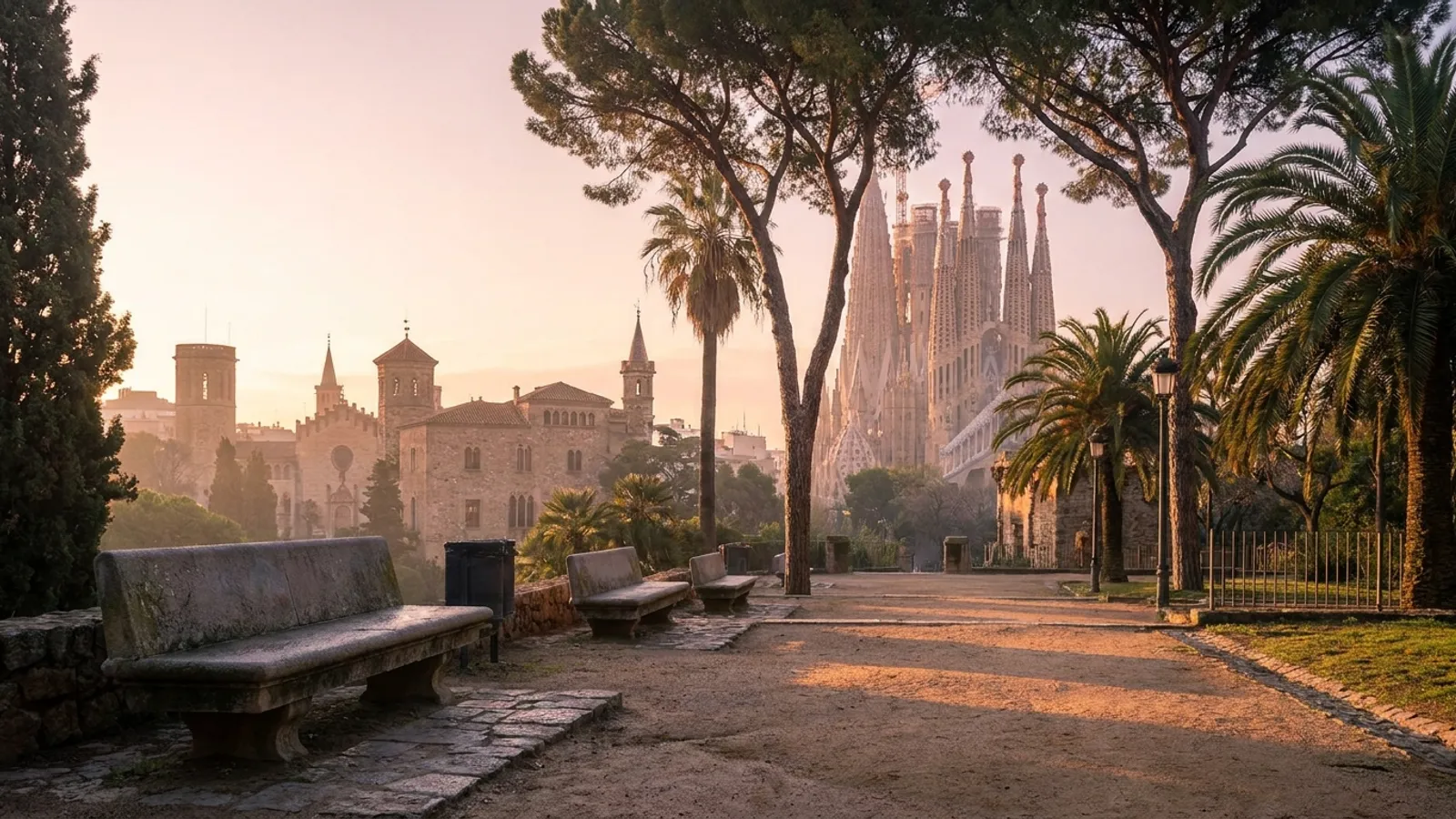
Beyond public transport, Barcelona is a wonderfully walkable city. Many of its most iconic neighbourhoods, such as the Gothic Quarter, El Born, and Gràcia, are best explored on foot. Walking allows you to discover hidden plazas, architectural details, and local shops that you might otherwise miss. Comfortable footwear is therefore essential, especially if your retreat involves urban exploration or walks in parks like Parc de la Ciutadella or Montjuïc.
Local Etiquette and Cultural Sensitivity
When travelling for a spiritual retreat, an awareness of local customs enhances your experience and demonstrates respect for the host culture. While Barcelona is a cosmopolitan city, a few points of etiquette are worth noting.
Greetings: A polite 'Hola' (hello) or 'Buenos días' (good morning) is always appreciated when entering a shop or café. When addressing staff, 'Por favor' (please) and 'Gracias' (thank you) are essential. While many locals speak English, attempting a few Spanish or Catalan phrases will be well-received.
Dining: Spaniards typically eat lunch later than in many other countries, often between 2:00 PM and 4:00 PM, and dinner rarely before 9:00 PM. Tipping is customary but not obligatory for good service; a few euros for a meal or rounding up a taxi fare is generally sufficient. It's common for tapas to be shared, and a relaxed, social atmosphere prevails in restaurants. Be mindful of noise levels, especially in residential areas during siesta hours (roughly 2:00 PM to 5:00 PM) or late at night.
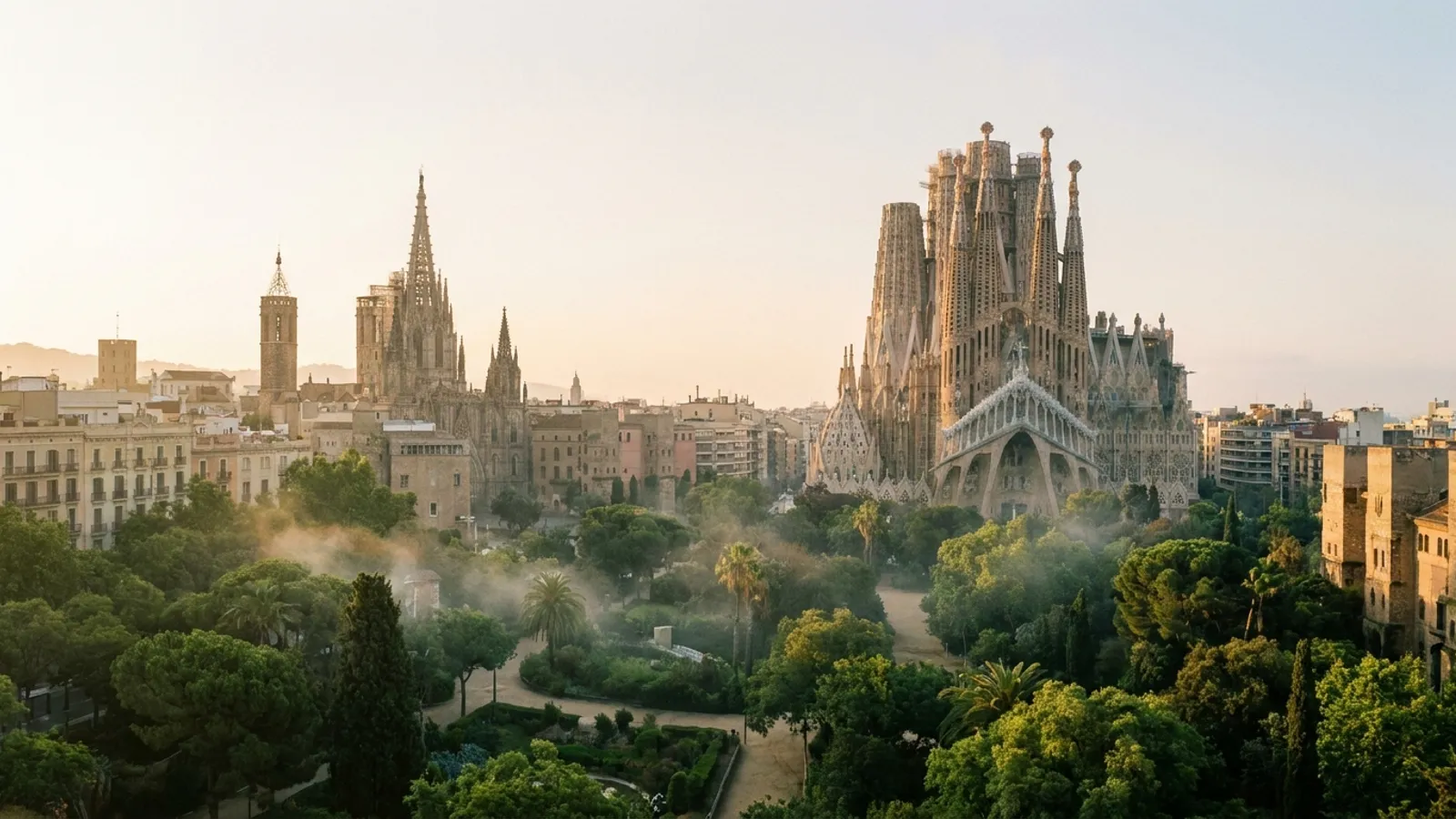
Dress Code: While Barcelona is generally relaxed, when visiting religious sites such as Sagrada Família or Barcelona Cathedral, it is respectful to dress modestly, ensuring shoulders and knees are covered. For your retreat itself, comfortable and appropriate attire will be guided by the specific nature of the programme, but generally, modesty is advisable.
Punctuality: While locals might be a little more relaxed about punctuality in social settings, it is always best to be on time for organised events, appointments, or your retreat sessions.
Safety: Barcelona is generally safe, but like any major city, it's wise to be aware of your surroundings, particularly in crowded tourist areas. Pickpocketing can occur, so keep valuables secure and out of sight. A small crossbody bag worn to the front is often recommended.
Connectivity and Money Matters
Staying connected is usually straightforward in Barcelona. Free Wi-Fi is widely available in hotels, cafés, and some public spaces. If you require constant internet access, consider purchasing a local SIM card upon arrival or checking with your network provider about international roaming packages. eSIMs are also an increasingly popular and convenient option for many travellers.
The currency in Spain is the Euro (€). ATMs are plentiful throughout the city, and credit/debit cards are widely accepted in most establishments. However, it's always advisable to carry some cash for smaller purchases, market stalls, or places that might have a minimum card spend. Inform your bank of your travel plans to avoid any issues with card usage abroad.
Health and Well-being
Prior to your trip, ensure your travel insurance covers any unforeseen medical emergencies. While EU citizens can use their EHIC or GHIC cards, comprehensive travel insurance is still recommended for all travellers. Pack any essential personal medications, along with copies of prescriptions if necessary.
Barcelona's tap water is safe to drink, though some visitors prefer bottled water due to taste differences. Staying hydrated, especially during warmer months, is important. Sun protection (sunscreen, hat, sunglasses) is also advisable, even outside of summer.
Remember that the purpose of a spiritual retreat is often to disconnect and find inner peace. While practicalities are important, try to build in moments of quiet reflection, embrace the slower pace of Mediterranean life, and allow yourself to be open to the transformative experience Barcelona and your retreat offer. For more information on finding the perfect spiritual journey, explore our guide to spiritual retreats in Barcelona, and discover what makes these experiences so profound by reading our homepage on Barcelona's spiritual offerings.
The featured retreat
For a comprehensive selection of retreats and further practical advice, explore our homepage which is dedicated to helping you find the perfect spiritual experience in Barcelona.